
Home / About

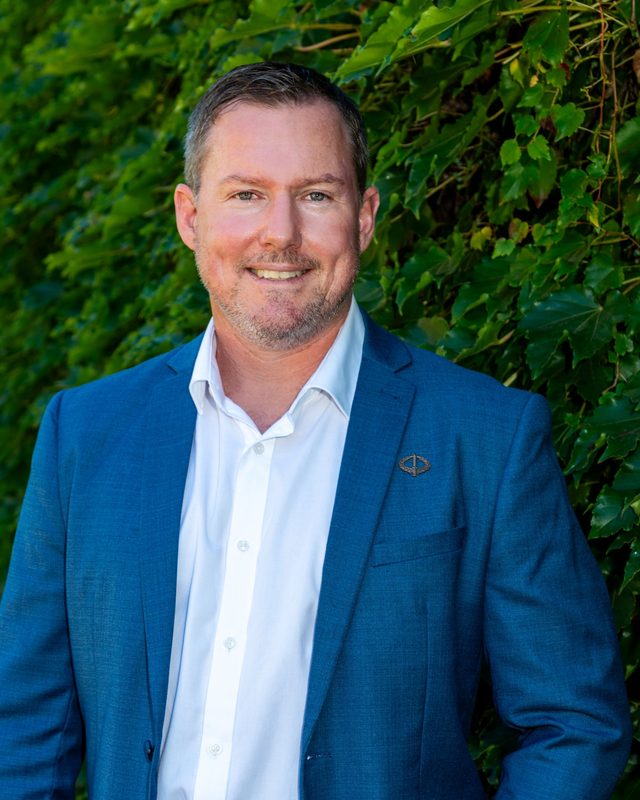
David Patrick

Principal Psychologist at Fields Psychology. Registered psychologist and veteran.

David Patrick, Principal Psychologist

Background

Registered psychologist, AHPRA registration PSY0002482834

David is a registered psychologist and an Australian Army veteran. He served with the 8th/9th Battalion, Royal Australian Regiment (8/9 RAR), including active deployment to Afghanistan on Operation SLIPPER. He's open to working with any adult, with a particular interest in veterans, emergency services personnel and men.

His own service shapes how he works: plainly, practically, and with an understanding of military and first responder culture that means you don't need to explain the basics before getting to what matters. He also knows that every person's story is different, and he works with adults from all walks of life.

His areas of particular interest include trauma, moral injury and men's mental health, including helping men strengthen their marriages and family relationships. He also works with people facing difficulties with anger, relationships, intimacy and addictions.

David sees individual adults. He doesn't see couples, and he doesn't offer forensic services.

David draws on Acceptance and Commitment Therapy (ACT), Process-Based Therapy, Cognitive Behavioural Therapy (CBT) and Dialectical Behaviour Therapy (DBT), choosing what fits you rather than following a set script.

David completed his undergraduate degree in psychology and his honours year at Griffith University. He is a member of the Australian Association of Psychologists Inc (AAPi).

Veterans and emergency services

Service shapes people. The training, the team, the sense of purpose, and sometimes the things you saw or did, don't stay at the gate or the station when you knock off.

Because David is a veteran himself, you won't spend your first session explaining rank, postings, shift work or what a deployment or a bad job does to a family. That leaves more time for what's actually going on for you. He also knows no two people's service is the same, and he won't assume he knows yours.

David works with ADF veterans and serving reservists, and with police, paramedics, firefighters, SES volunteers and other emergency services personnel, current and former.

What people often bring

  • Transition out of service
  • Identity and purpose after service
  • Trauma and PTSD
  • Moral injury
  • Operational and critical incident stress
  • Anger and irritability
  • Sleep problems and shift work
  • Alcohol and other ways of coping
  • Relationship and family strain
  • Grief and the loss of mates or colleagues
  • Medical discharge and injury
  • Feeling cut off from people

Families

Partners and families carry service too: postings, long shifts, absences, and the adjustment when someone comes home or leaves for good. David sees partners on their own, too. Veterans' families can also get free counselling through Open Arms, Veterans & Families Counselling, on 1800 011 046, any time.

If you're an ADF veteran, DVA may fund your sessions in full. How DVA-funded sessions work.

Moral injury

Moral injury describes the lasting distress that can follow events that cross a deeply held moral line.

That might be something you did or didn't do, something you couldn't prevent, or being let down by the people or institutions you trusted. It's most often talked about in military, police, emergency services and healthcare settings, where people make hard calls under pressure, but it can follow any situation where what happened and what you believe is right pulled hard in different directions.

Moral injury isn't a diagnosis, and it isn't the same as PTSD, although the two often turn up together. PTSD tends to be driven by fear. Moral injury tends to centre on guilt, shame, anger and a loss of trust.

What people describe

  • Guilt or shame that won't shift
  • Anger at yourself, others or the organisation
  • Feeling betrayed by leadership or the system
  • Finding it hard to trust people
  • Pulling away from family and friends
  • Feeling you don't deserve good things
  • Questioning your values, faith or meaning
  • Punishing yourself, including drinking more

How therapy can help

Moral injury isn't something to be explained away or argued out of. It often hurts because your values are intact. In sessions, David helps you look honestly at what happened and the meaning you've taken from it, make room for guilt and grief without being run by them, and reconnect with the values that made it hurt in the first place. Approaches from ACT and Process-Based Therapy fit this work well.

Research on moral injury is still developing, and David will be straight with you about what's known and what isn't. You set the pace, and nothing has to be talked about before you're ready.

Men's mental health

Plenty of men come in after months or years of pushing through.

It often doesn't look like sadness. It looks like a shorter fuse, longer hours at work, a few more drinks, poor sleep, or going quiet at home. Sometimes a partner suggested it. Sometimes it's a health scare, or a relationship close to breaking point.

Sessions with David are direct and practical. You'll work out together what's driving things and build skills you can use straight away, at work and at home. Nobody will expect you to talk about feelings on cue, and you set the pace.

What men often bring

  • Stress and burnout
  • Anger and irritability
  • Low mood
  • Anxiety
  • Marriage and relationship strain
  • Becoming a dad
  • Separation and divorce
  • Grief
  • Alcohol and other ways of coping
  • Work, purpose and identity
  • Sleep

Relationships and family

David has a particular interest in helping men strengthen their marriages and family relationships. He works with men individually on what's getting in the way at home: communication, conflict, anger, trust and being the partner and father they want to be.

Neurodivergence assessments

David takes on a limited number of neurodivergence assessments.

Because places are limited, there may be a wait. Please contact us to ask about current availability, what the assessment involves and the cost before booking.

David is also actively training [psychologist's name] in neurodivergence assessment, so Fields can offer more assessments in future.

DVA-funded sessions

If you've served in the ADF, DVA may cover your sessions with David in full.

Eligible Veteran Gold Card and White Card holders, including anyone covered by Non-Liability Health Care, can see David at no cost with a D0904 referral from their GP. That includes anyone with at least one day of continuous full-time service in the ADF.

Want to book with David?

Book online in person or by Telehealth, or call us and we'll help with any DVA, Medicare or WorkCover paperwork first.

07 4635 4360

Book now Call us